Address
97 Adeola Odeku St, Eti-Osa, Lagos 106104, Lagos
Work Hours
Monday to Friday: 8AM - 5PM
Weekend: 10AM - 4PM
Address
97 Adeola Odeku St, Eti-Osa, Lagos 106104, Lagos
Work Hours
Monday to Friday: 8AM - 5PM
Weekend: 10AM - 4PM

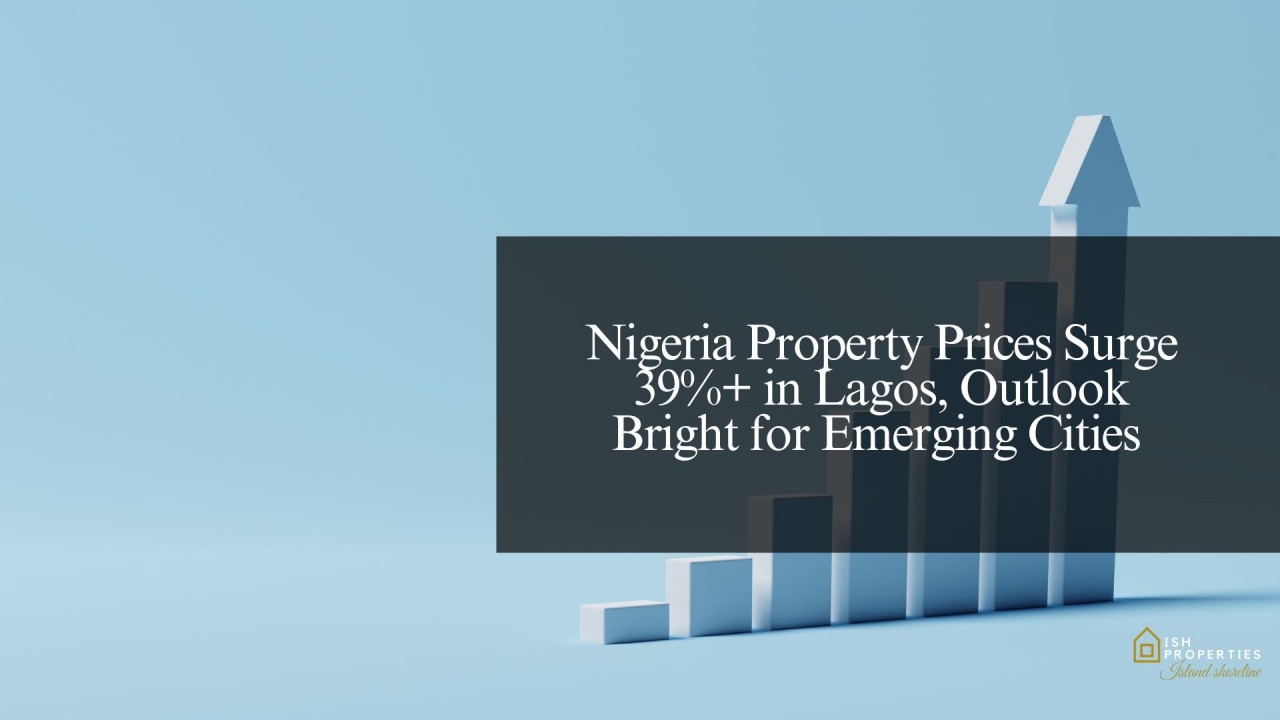
Nigeria’s real estate market continues to gain strength, even as broader economic headwinds persist. For the week of June 30 to July 5, major trends in Lagos and other key cities reaffirm growing momentum—and opportunities—for investors and homebuyers alike.
Lagos Property Value Soars Nearly 40%
A new analysis from The Africanvestor shows Lagos property prices surged 39.5% in 2024, and are projected to rise another 5–15% in 2025, especially in growth corridors like Lekki, Ibeju-Lekki, and Epe (youtube.com, theafricanvestor.com). Today, the average residential property in Lagos stands around ₦50 million (~US$33,000)—a testament to the city’s strong investor confidence (theafricanvestor.com).
Emerging Cities Showing Strong Growth
Cities like Ibadan, Enugu, Port Harcourt, and Uyo are rapidly catching up:
Port Harcourt: Stable growth at 6% with 5–7% yields These cities offer entry points between ₦10–₦25 million, making them attractive for those seeking high-yield investments (theafricanvestor.com).
Market Dynamics Fuel Growth
The price acceleration is driven by:
A strong shift toward short-lets and rentals, thanks to lower entry costs and improved yields (6–8%) (theafricanvestor.com).
Ongoing urbanization and rising middle-class demand
Infrastructure projects like the Lagos–Calabar Coastal Highway commissioned this week (estateintel.com, en.wikipedia.org)
Why This Matters
What to Watch Next
Nigeria’s real estate market is entering a new phase where value appreciation, smart urban planning, and returns go hand in hand. Whether you’re an investor, homebuyer, or developer, staying informed means staying ahead.