Address
304 North Cardinal St.
Dorchester Center, MA 02124
Work Hours
Monday to Friday: 7AM - 7PM
Weekend: 10AM - 5PM
Address
304 North Cardinal St.
Dorchester Center, MA 02124
Work Hours
Monday to Friday: 7AM - 7PM
Weekend: 10AM - 5PM

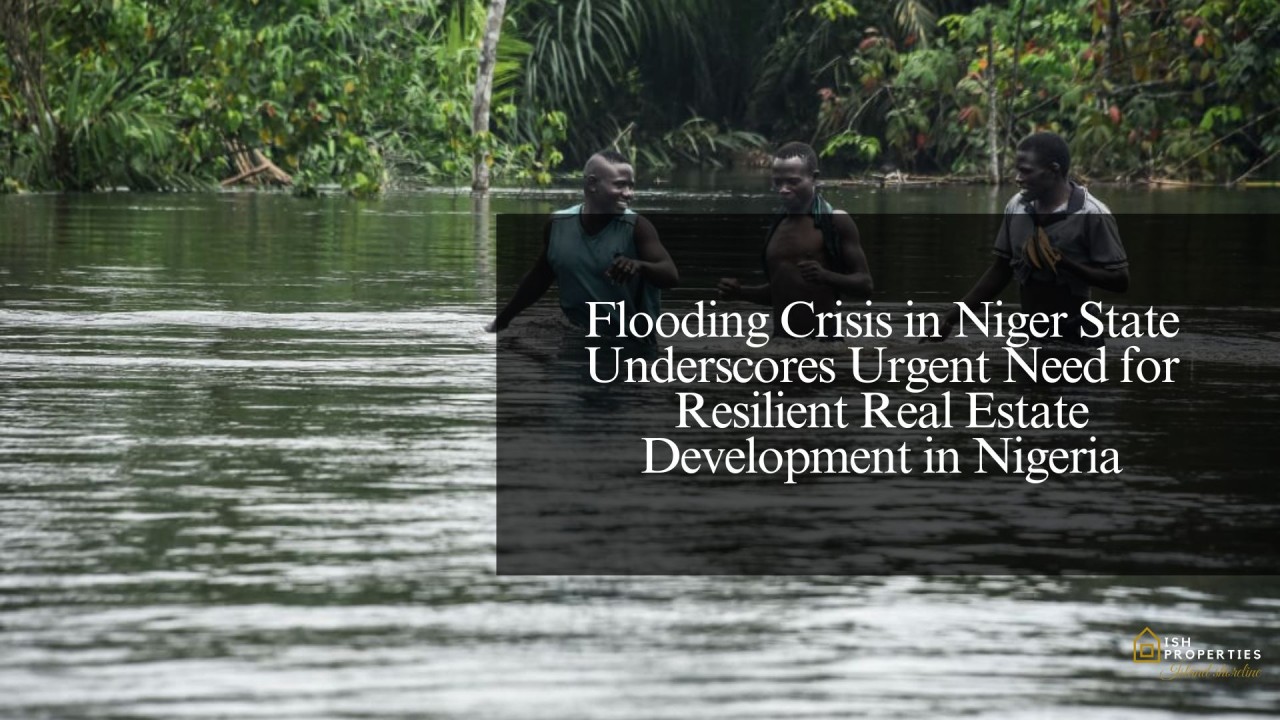
In a sobering reminder of the realities of climate change and infrastructural vulnerability, over 100 lives were tragically lost this week due to severe flooding in Niger State. The disaster has once again spotlighted the critical need for climate-resilient development strategies, especially in Nigeria’s rapidly growing real estate sector.
As the country faces increasing episodes of extreme weather, it becomes clear that real estate professionals, investors, developers, and government agencies must come together to rethink how and where we build.
Climate Risk Is Now a Market Risk
Nigeria ranks among the top countries most vulnerable to climate-related flooding. With urban populations swelling and informal housing spreading into flood-prone areas, disasters like this week’s are becoming more frequent and devastating.
For real estate developers, this raises urgent questions:
Are we investing enough in drainage, green infrastructure, and flood barriers?
Are our buildings engineered for heavy rainfall and runoff?
Do our land-use plans account for natural water flow and elevation?
The Cost of Inaction
Flooding affects more than lives — it disrupts local economies and devalues real estate assets. Properties in flood-prone zones face higher vacancy rates, increased insurance costs (where available), and long-term structural damage.
For homeowners and tenants, it means loss of safety, displacement, and financial instability.
In Niger State alone, thousands of residents have been rendered homeless this week. In urban centers like Lagos and Port Harcourt — where real estate values are high, and infrastructure is strained — a similar flood would carry a multi-billion-naira impact.
The Path Forward: What Developers and Stakeholders Must Do
Real Estate Is More Than Brick and Mortar — It’s About Safety, Livelihoods, and Sustainability
As we mourn the lives lost in Niger State, we must also commit to doing better. The future of Nigerian real estate lies not just in building higher, smarter, or more luxurious, but in building safer and more sustainable.
